Silent Frequencies: Mapping America's Vanished Monitoring Stations
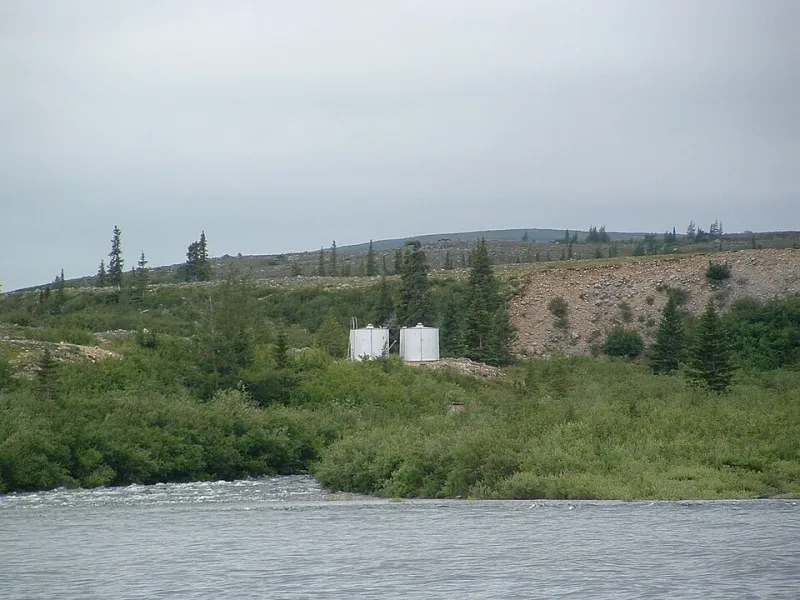
Photo: The original uploader was Lkovac at English Wikipedia., CC BY-SA 3.0, via Wikimedia Commons
There is a particular kind of loss in environmental data that doesn't look like loss at all. Nothing burns down. Nothing is deleted. A station simply stops reporting—one day its feed goes quiet, its maintenance contract lapses, and a decades-long record ends without ceremony. Somewhere in a state climatologist's database, a timescale that once flowed continuously now terminates in an abrupt, unexplained flatline.
These are the ghost stations: monitoring sites across the country that went dark for reasons of budget, bureaucracy, or plain institutional amnesia. And their absence is a problem we are only beginning to understand.
How a Station Dies
The mechanics of decommissioning are rarely dramatic. A cooperative observer retires and no successor volunteers. A state agency absorbs a budget cut and consolidates its air monitoring network, prioritizing urban sites over rural ones. A federal program shifts methodology and the legacy instruments, incompatible with the new standard, are pulled rather than adapted.
Each individual decision is defensible. The aggregate is not. Networks designed for spatial coverage have been pruned as if coverage were a luxury, and the pruning has not been distributed evenly.
The Geography of Silence
The gaps fall disproportionately on places that were already under-measured. Rural counties, tribal lands, and low-income urban neighborhoods have watched their nearest monitoring points disappear while metropolitan cores—where regulatory requirements concentrate instrumentation—retain or expand theirs.
The consequences are concrete. Wildfire smoke advisories rely on interpolation when local monitors are absent; interpolation is a polite word for guessing. Flood-prone watersheds without active gauges lose the baseline records that make flood forecasting possible at all. Communities contesting industrial permits find that the historical air quality record they need simply does not exist for their zip code. You cannot litigate against a data void.
Researchers feel it differently but no less acutely. Climate trend analysis depends on long, continuous records; a station with a fifteen-year gap is a compromised asset, and a station that never existed is a question no one can ask. Every shutdown converts a measurable place into an inferable one.
Why Resurrection Is Harder Than It Sounds
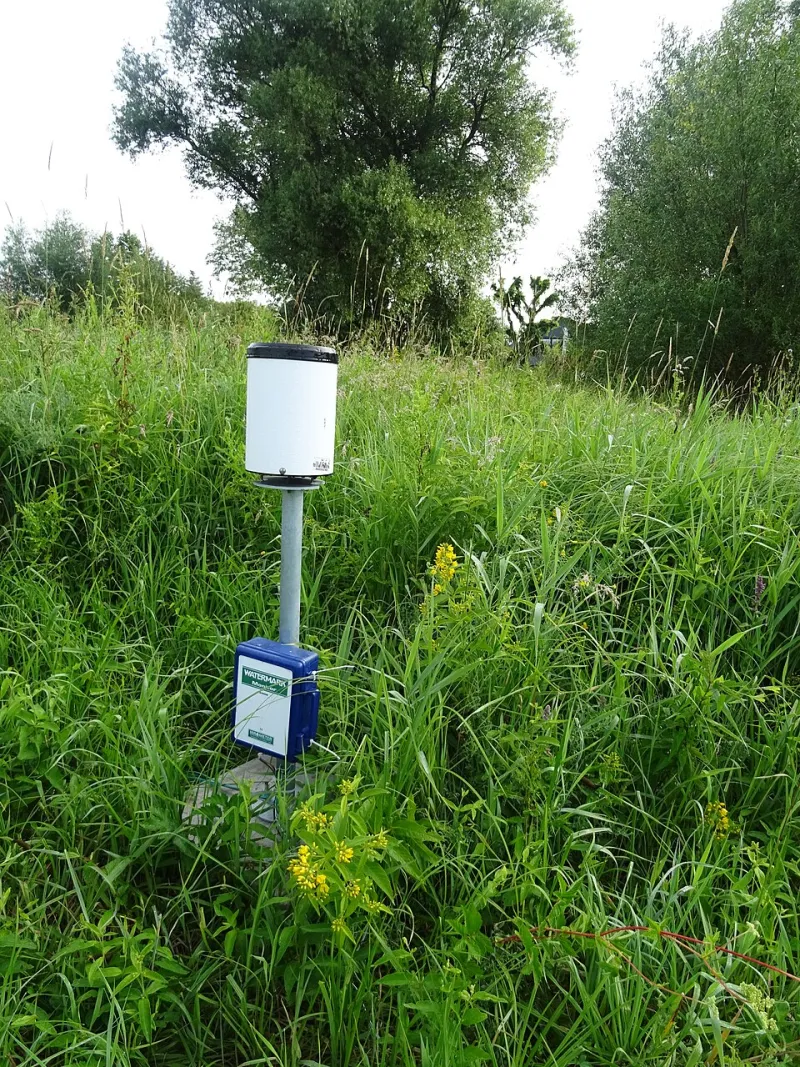
The instinctive fix—turn the stations back on—underestimates what was actually lost. A monitoring site is not a device; it is a location with a calibrated history. Siting matters: a replacement instrument placed even a few hundred meters away may read systematically differently due to terrain, shade, or nearby development. The continuity that made the original record valuable cannot be retrofitted.
Revival also demands the unglamorous infrastructure that got defunded in the first place: maintenance visits, calibration schedules, data management, and a budget line stable enough to outlast political cycles. A station revived without a maintenance plan is just a ghost station with a head start.
What Rebuilding Should Look Like
If there is a roadmap, it starts with an honest inventory. A national audit of dormant and decommissioned sites—which ones have recoverable records, which have viable locations, which gaps matter most—would cost a fraction of new hardware and inform every decision after it.
Second, coverage should be treated as equity infrastructure. Where a station goes dark shapes who can prove what happened to their environment. Directing revived capacity toward under-monitored communities would correct a historical imbalance rather than reinforce it.
Third, redundancy deserves respect. Networks built on single points of failure will keep producing single points of failure. Modest overlap between federal, state, and even low-cost community sensors provides the resilience that any single agency's budget cannot.
Finally, the public record of shutdowns should be public. Decommissioning decisions made quietly can be revisited; decisions made invisibly cannot.
The Record We're Choosing
Environmental data is a promise made to the future—a commitment that someone in thirty years will be able to ask a question about this place and this time, and find an answer. Every ghost station is a promise quietly withdrawn.
The instruments are affordable. The locations are known. What has been missing is the institutional will to treat monitoring as a continuous obligation rather than a discretionary expense. America's monitoring network does not need to be invented. It needs to be remembered.