EnvSens Sensing the planet, one data point at a time

EnvSens

Sensing the planet, one data point at a time

Latest Articles

The Sentinels Already in the Water: What Utilities Are Learning From the Instruments Inside Their Own Intakes
Technology Roundup

The Sentinels Already in the Water: What Utilities Are Learning From the Instruments Inside Their Own Intakes

Municipal water utilities from the Great Lakes to the lower Mississippi are quietly operating some of the densest continuous water-quality networks in the United States — mounted on infrastructure they already own. A look at what intake-deployed sondes reveal about algal blooms, nutrient pulses, and taste-and-odor events, and why almost none of it reaches the public record.
The Nose Knows First: Inside the Human Reference Panels Still Outperforming the Instrument Rack
Opinion

The Nose Knows First: Inside the Human Reference Panels Still Outperforming the Instrument Rack

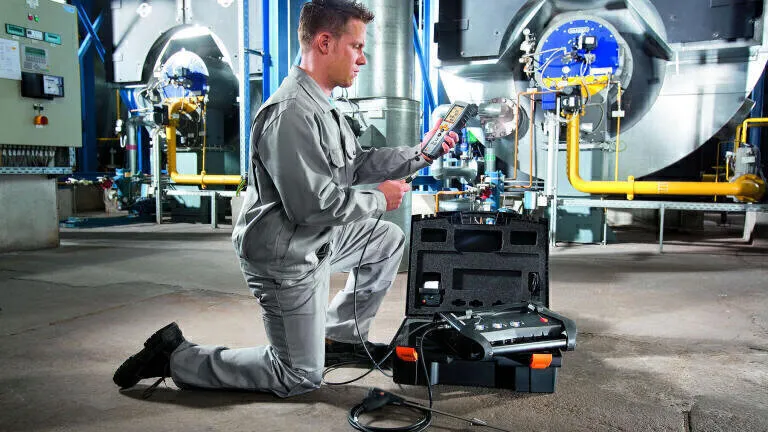
When a $40,000 gas analyzer and a veteran field technician disagree about what's in the air, the industry has an uncomfortable habit of trusting the technician. Here's why human sensory calibration panels remain the gold standard for certain measurements — and why that standard is quietly walking out the door.

Bolted Down and Overlooked: The Structural Secrets Behind Clean Environmental Data
Technology Roundup

Bolted Down and Overlooked: The Structural Secrets Behind Clean Environmental Data

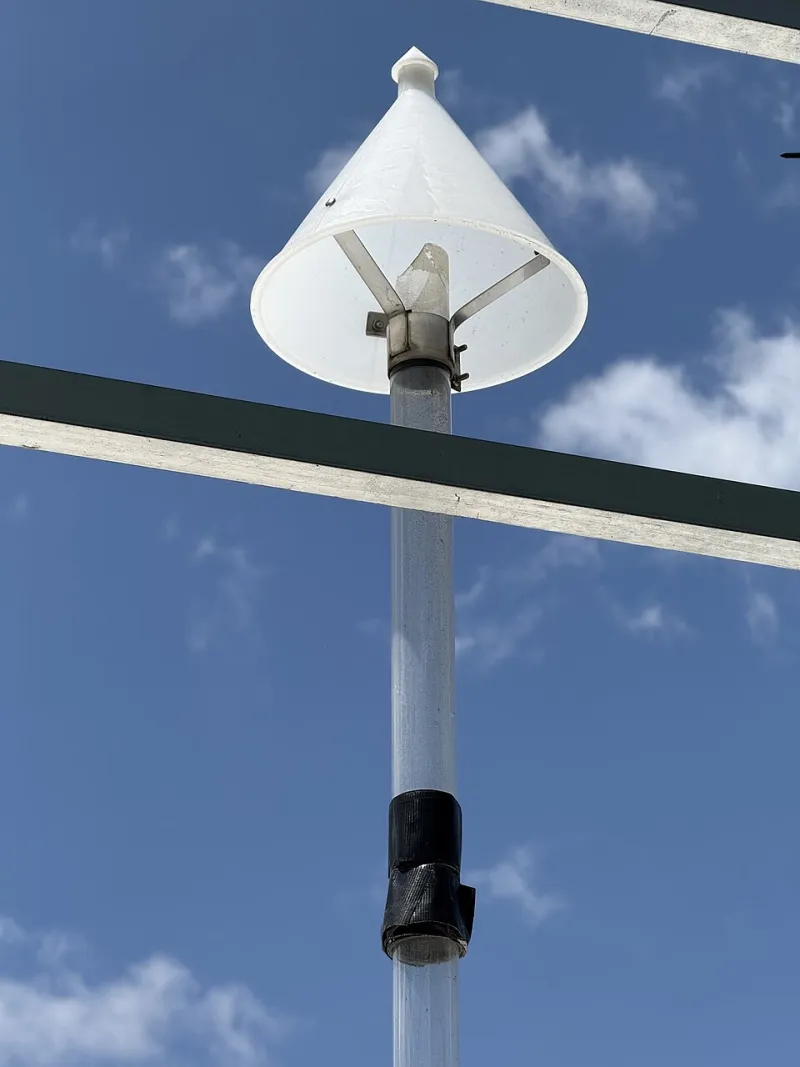
The most expensive sensor in the world cannot compensate for a mast that sways in a prairie gust or a fence post heaved by frost. Field engineers explain why mounting hardware and site stability are the least glamorous — and most consequential — variables in environmental monitoring.

Zip Ties and Raspberry Pi: The Amateur Network Filling America's Monitoring Gaps
Technology Roundup

Zip Ties and Raspberry Pi: The Amateur Network Filling America's Monitoring Gaps

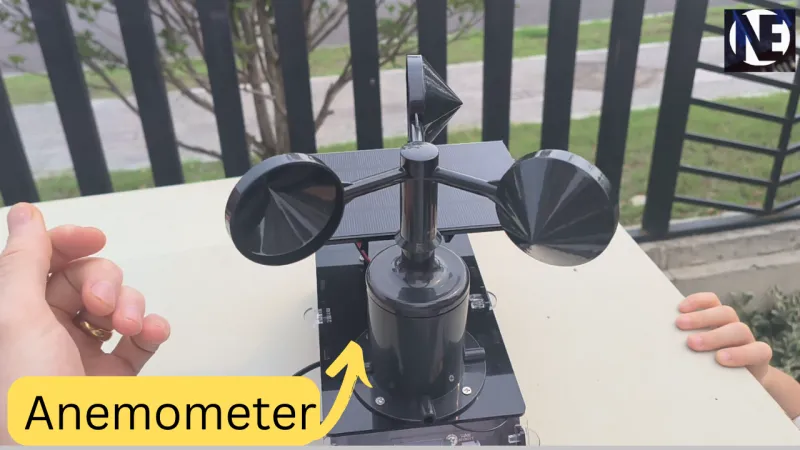
Across the country, farmers, retirees, and tinkerers are bolting homemade weather stations to barns and porches, quietly filling the blind spots left by official monitoring networks. Researchers are starting to cite their data — a development that is as promising as it is precarious.

When the Instrument Has a Heartbeat: The Strange Precision of Living Sensors
Technology Roundup

When the Instrument Has a Heartbeat: The Strange Precision of Living Sensors

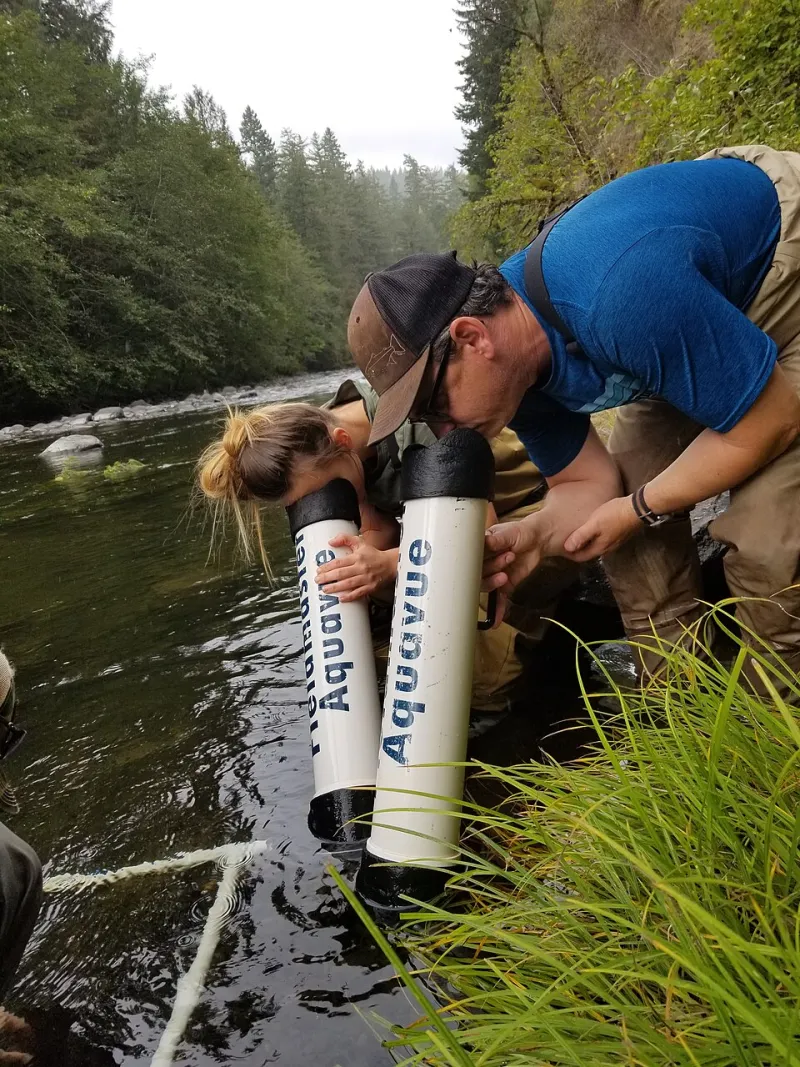
Mussels, algae, and honeybees are quietly becoming part of America's environmental monitoring toolkit. But can a living organism ever be calibrated like a machine—and what happens when it disagrees with the electronics?

Listening as Instrumentation: The Microphone's Quiet Takeover of Environmental Monitoring
Technology Roundup

Listening as Instrumentation: The Microphone's Quiet Takeover of Environmental Monitoring

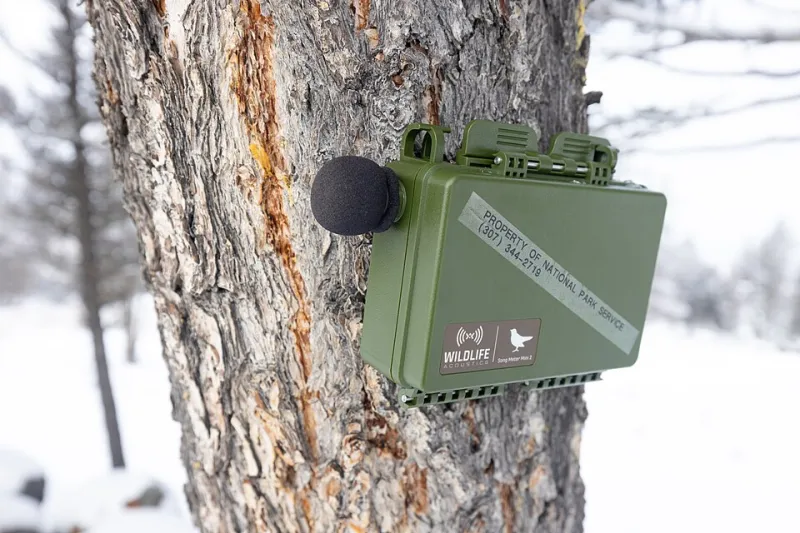
Passive acoustic monitoring has quietly become one of the most versatile and affordable tools in the environmental sensing arsenal, from tracking endangered songbirds in the Appalachians to flagging water main breaks and illegal logging. We examine the hardware, the machine learning pipeline, and the organizations betting that sound is the next great data frontier.

Two Thermometers, One Planet: The Quiet Cost of Measuring America in Fahrenheit
Technology Roundup

Two Thermometers, One Planet: The Quiet Cost of Measuring America in Fahrenheit

American environmental instruments live a double life: sensing in Celsius, reporting in Fahrenheit, and hoping the conversion between the two goes unnoticed. We examine where that translation layer breaks, who pays for it, and why the rest of the world stopped worrying about it decades ago.

Thirty Minutes From Rainfall to Rampage: The Engineering Race to Outrun a Flash Flood
Technology Roundup

Thirty Minutes From Rainfall to Rampage: The Engineering Race to Outrun a Flash Flood

In steep Southwestern watersheds, a summer storm can turn a dry arroyo into a lethal torrent before a gauge finishes tipping. We look at the sensing stack — from weighing-bucket rain gauges to radar nowcasts — and the latency battle to buy emergency managers the minutes they need.

Technology Roundup

Three Thousand Miles of Foam: What Happens to a Sensor Between the Factory and the Forest

An air quality sensor destined for a Forest Service mountaintop first survives a cross-country gauntlet of trucks, depots, and temperature swings. The journey before installation may quietly shape the data it produces for years.

Night Shift for the Nitrate Network: Inside the Rise of the Remote Instrument Technician
Technology Roundup

Night Shift for the Nitrate Network: Inside the Rise of the Remote Instrument Technician

Cloud-connected sensors promised autonomy, but someone still has to answer when a pH probe fouls at 2 a.m. A look at the technicians keeping America's monitoring networks honest from kitchen tables and spare bedrooms.

Three A.M. Conditions: The Hidden Test Your Sensors Never Signed Up For
Technology Roundup

Three A.M. Conditions: The Hidden Test Your Sensors Never Signed Up For

Environmental instruments earn their keep after dark, when dew settles, inversions trap everything near the ground, and thermal swings push enclosures and electronics to their limits. We spoke with site technicians about why the daylight spec sheet tells only half the story — and what the night shift reveals about data you can trust.

Backpack Sleuths and the New Methane Hunters: When Citizens Out-Sniff the Regulators
Technology Roundup

Backpack Sleuths and the New Methane Hunters: When Citizens Out-Sniff the Regulators

Low-cost methane detectors are turning community groups into emissions investigators, surfacing plumes that satellites and compliance reports never caught. A look at the instruments, the transect method, and the awkward questions they raise for industry and regulators alike.

Paper Charts and Punch Tape: Inside America's Last Analog Monitoring Stations
Technology Roundup

Paper Charts and Punch Tape: Inside America's Last Analog Monitoring Stations

A handful of weather and air quality stations across the United States still record on drum charts and punched paper, long after the rest of the network went digital. Their operators argue the old instruments capture something telemetry cannot: a record that never stops when the power does.

Salt, Spray, and Survivors: A Field Report on the Instruments Built to Outlast a Hurricane
Technology Roundup

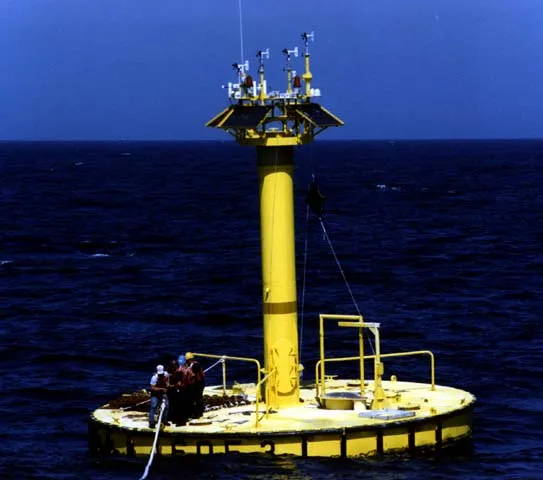
Salt, Spray, and Survivors: A Field Report on the Instruments Built to Outlast a Hurricane

Every hurricane season, thousands of buoys, dropsondes, and coastal stations are thrown into the worst conditions on Earth. We look at which designs hold together at 150 mph, which fail, and what procurement teams can learn from the wreckage.

Fifteen Minutes to Detection: Inside the Data Handoff That Decides a Wildfire's Fate
Technology Roundup

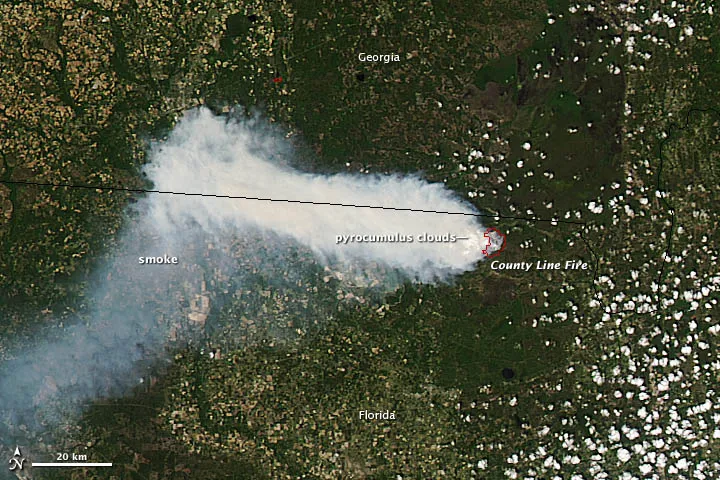
Fifteen Minutes to Detection: Inside the Data Handoff That Decides a Wildfire's Fate

Satellites spot the heat. Ground sensors confirm the smoke. But the seconds between those two moments — when data changes hands across agencies, formats, and networks — are where fires are won or lost. A look at the plumbing behind America's wildfire detection pipeline.

Second Life Instruments: What Universities Throw Away and Who's Waiting to Catch It
Technology Roundup

Second Life Instruments: What Universities Throw Away and Who's Waiting to Catch It

Across the United States, working environmental sensors are retired every year and funneled into surplus auctions, online listings, and storage closets. We examine the secondary market for decommissioned instruments—what it offers underfunded programs, and where the risks hide.

Vocabulary at $900 a Unit: How 'Lab-Grade' Became the Most Profitable Phrase in Environmental Sensing
Opinion

Vocabulary at $900 a Unit: How 'Lab-Grade' Became the Most Profitable Phrase in Environmental Sensing

A handful of words on a product page can add hundreds of dollars to a sensor's price tag without changing a single component inside the enclosure. We traced the supply chain of 'lab-grade' — from marketing copy decks to procurement purchase orders — and found an industry selling adjectives as enthusiastically as engineering.

The Van That Comes to You: Inside America's Traveling Calibration Fleet
Technology Roundup

The Van That Comes to You: Inside America's Traveling Calibration Fleet

A growing fleet of trailer-mounted reference stations is driving to sensor deployments across the country, recalibrating instruments in parking lots and pastures. We profile the operators, run the cost math, and ask whether on-site verification can break the drift-and-distrust cycle for small monitoring programs.

Below the Spec Sheet: When Megadrought Air Exceeds What Humidity Sensors Were Built For
Opinion

Below the Spec Sheet: When Megadrought Air Exceeds What Humidity Sensors Were Built For

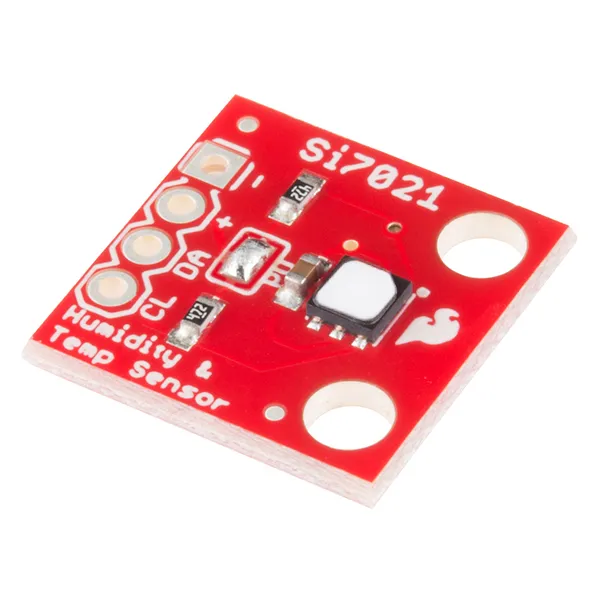
Megadrought conditions across the American Southwest are pushing capacitive and resistive humidity sensors into territory their test protocols never contemplated. Manufacturers are quietly revising warranty language — and buyers should start demanding answers before the next record dry spell.

The Price of Precision: A Field Audit of Budget Versus Research-Grade Sensors
Technology Roundup

The Price of Precision: A Field Audit of Budget Versus Research-Grade Sensors

We compared $200 consumer sensors against $20,000 research instruments across temperature, humidity, and air quality deployments. The results suggest the right question isn't which sensor is better, but which failure modes your project can actually afford.