Bolted Down and Overlooked: The Structural Secrets Behind Clean Environmental Data
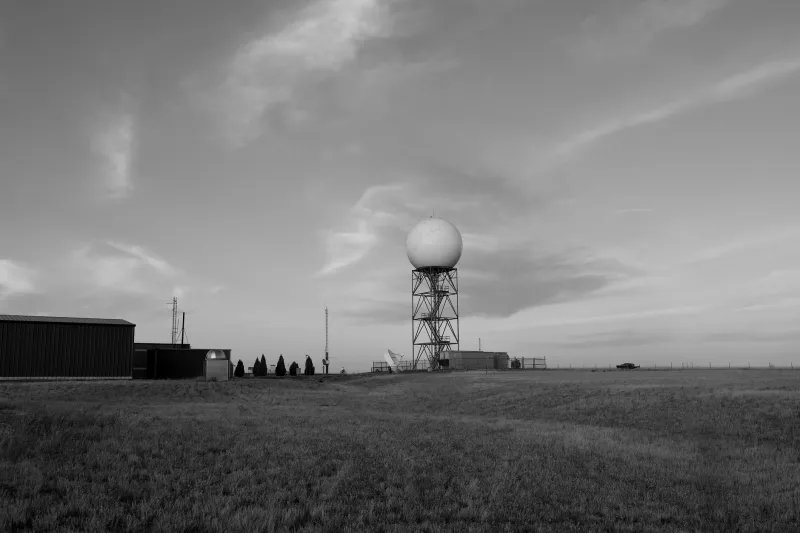
Ask a research team what limits their data quality and the answers come quickly: sensor accuracy, calibration intervals, telemetry dropouts. Rarely does anyone mention the pole.
Yet across the American monitoring landscape — from USDA soil moisture plots in Iowa to air quality stations on the edges of Phoenix — the structure holding an instrument in place quietly shapes every number it reports. A $40,000 eddy covariance package bolted to a flexing mast produces signatures that no amount of post-processing can fully remove.
Motion Is a Signal Contaminant
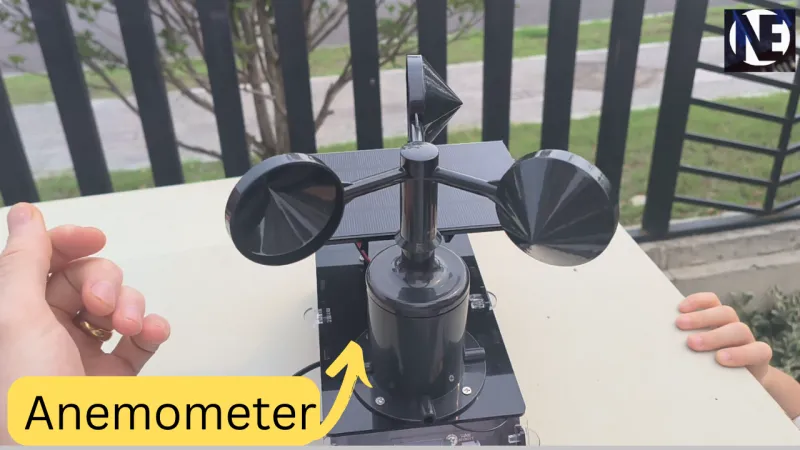
Anemometers and gas analyzers assume a fixed reference frame. When the structure beneath them moves, that assumption breaks. Sonic anemometers mounted on guyed towers in the Great Plains routinely register turbulence that, on close inspection, is the tower itself oscillating in wind shear — a phenomenon field engineers call "tower shadow breathing."
"You'll see a periodic spike in the vertical wind component that correlates perfectly with gust frequency," says one site technician who maintains stations across Nebraska. "People chase it as a real atmospheric event for months before someone climbs the tower and puts a hand on the mast."
The problem scales with instrument sensitivity. A rain gauge on a shifting fence post undercatches in ways that look like drought. A soil gas flux chamber on a settling concrete pad develops microleaks that read as anomalous CO₂ pulses.
The Frost Line Problem
In northern states, frost heave is the silent saboteur. A post set above the frost line will lift a few millimeters each winter and settle unevenly in spring. Over five years, an instrument that was installed plumb is now tilted four degrees — enough to bias a tipping-bucket rain gauge by several percent and to skew the leveling of an optical sensor.
Veteran installers in Minnesota and Wisconsin have learned to pour concrete footings below the frost line regardless of what the mounting hardware manual suggests. "The manual assumes California," one installer put it.
Grounding: The Invisible Failure Mode
Electrical grounding rarely appears on a commissioning checklist, and its failures are insidious. A poorly grounded tower in lightning-prone Florida or the high plains of Colorado doesn't just risk a catastrophic strike — it accumulates ground potential differences that inject low-level noise into analog signals. Data loggers record the noise faithfully; nothing looks wrong. The corruption is statistical, surfacing only as elevated variance that a reviewer might attribute to weather.
Best practice among experienced crews: a dedicated ground rod at the tower base, bonded to the logger's reference ground, tested annually with a clamp meter. It costs under a hundred dollars. Very few networks do it on schedule.
What the Field Pros Recommend
A survey of installation practices across university and commercial networks surfaces a consistent set of hard-won rules:
- Overbuild the foundation. Size footings for a ten-year return storm, not the average day. The incremental cost of a larger concrete pad is trivial against the value of a multi-year record.
- Document structure, not just sensors. Photograph the mast, torque marks, and guy wire tension at every maintenance visit. Drift in the record often correlates with drift in the hardware.
- Schedule a plumb check. A two-dollar spirit level against the mast, once a season, catches what telemetry never will.
- Treat guy wires as consumables. Tension relaxes; hardware corrodes. Stations in coastal or road-salt environments need inspection intervals measured in months, not years.
A Budget Line Worth Fighting For
The uncomfortable arithmetic of monitoring budgets is that structure gets whatever is left over. Procurement documents itemize analyzers, dataloggers, and enclosures down to the dollar, while "mounting hardware" is a single line with no specification at all.
The engineers who maintain the longest, cleanest datasets in the country tend to reverse that ratio. They spend early on foundations, bracing, and grounding, then buy sensors. The instrument can be replaced. The record cannot.
For a discipline increasingly judged on data integrity — from carbon accounting to regulatory compliance — the takeaway is blunt: before auditing the sensor, audit what it's bolted to. The wobbling mast doesn't file an incident report. It just bends the data, one gust at a time.